

Cafe Aman Project
support artists working to preserve and innovate culture
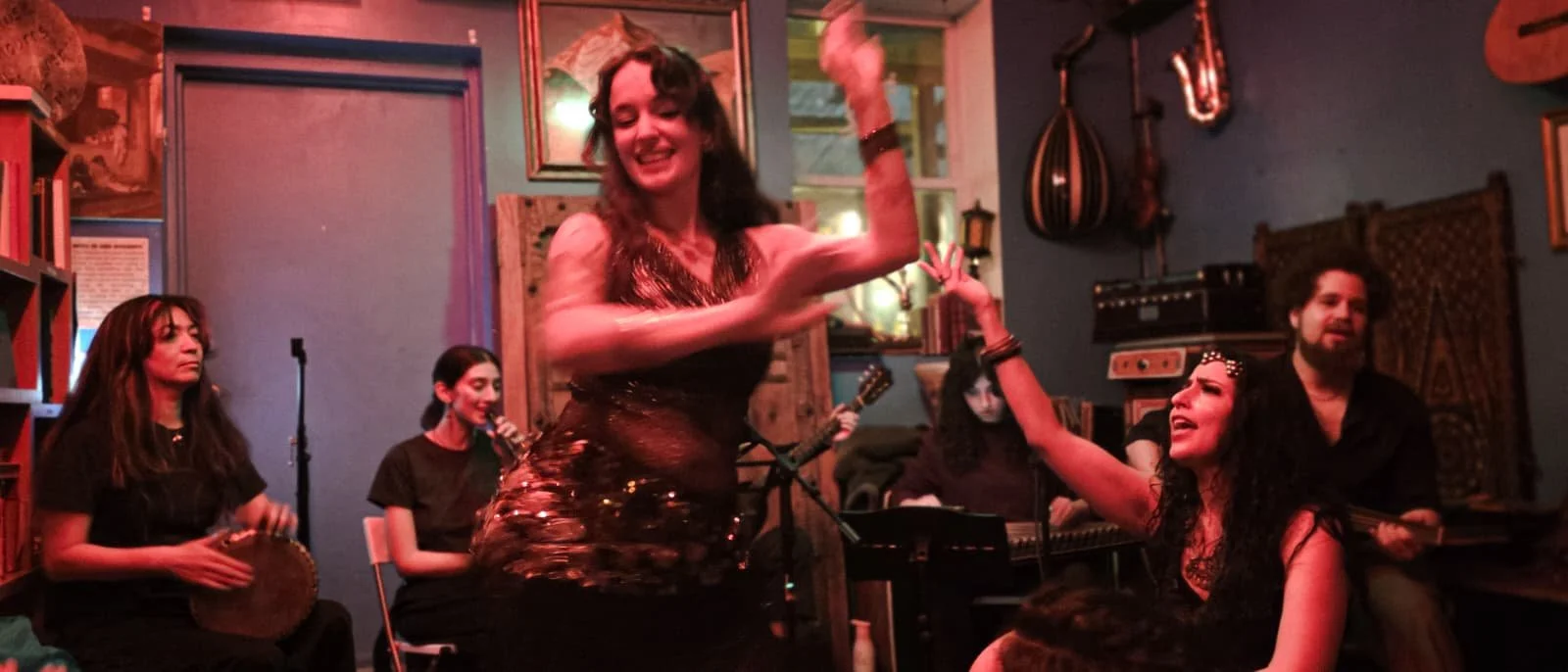
Our StoryCafe Aman Project is inspired by the cultural community space known as ‘Cafe Aman’ which proliferated in Asia Minor prior to, during and after the Greco Turkish War.
Cafe Aman was not one place, it was an ever evolving entity of political resistance and culture building through shared threads of multiple ethnic groups and religions. A place wherein musicians and dancers performed improvisational songs and dances, sharing in their grief, their love and laments of life.
This time period in Anatolia and Greece was wrought with cultural and religious feuds which resulted in the Greek, Assyrian and Armenian genocides and pogroms over the years, well into the 1950s. This cultural divide attempted by Turkish and Greek nationalists alike was met with resistance by these Cafe Aman gatherings. Greeks, Armenians, Assyrians, Kurds, Arabs, Turks and Sephardic Jews gathered and played music, danced and created unity through shared melodies and rhythms. These songs and memories of movement are what we have to inform our understanding of this time period. We hear stories of love, admiration, loss, friendship, marriage, heartbreak and dancing with your παρέα.
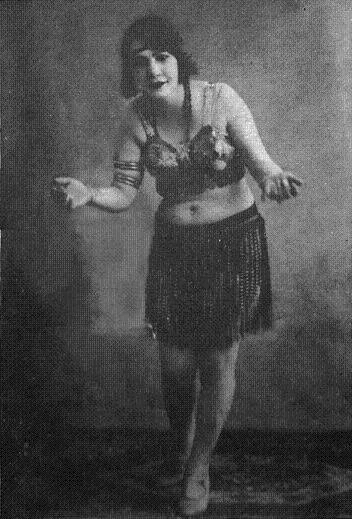
During this era (early 1850-1923), Greek women and gay men were the predominant ethnic group who were ‘belly dancing’ tsiftiteli in Smyrna and Istanbul. When the Greek population was exiled from present day Turkey to mainland Greece, they were met with contempt and misunderstanding from many people and the government. They lived in the fringe of society for many years, most coming to Greece with just the clothes on their back. Thus, created the underground world of Rebetiko culture where the ‘manges’ (rough around the edges kind men in Rebetiko culture, outlaws) and ‘mortisses’ (independent women, Tsiftiteli dancers and Rebetiko singers) came to be.
This culture of music, hailing from Asia Minor Greeks came to be censored and even outlawed in the mid 1930s during Metaxas’s dictatorship. Songs referring to the ‘underworld’ underground culture, hashish dens and even playing bouzouki was outlawed. Greece strived to become more ‘European’ and tried to detach itself from the ‘oriental’ Asia Minor Greeks because wester Europe kept dangling the carrot of whiteness in the faces of politicians. Greece was traumatized after the events which concluded Ottoman rule and saw Europe as a savior. Greece accepted our history being stolen by the imagination of white supremacists.
The tiny bouzouki, called the Baglamandaki, was created during this time of censorship because it was easily concealed in jacket sleeves of men and smuggled into jails.
Smyrna, now Izmir, was once a hub for this culture over 100 years ago, before the great Fire of Smyrna in 1922, when the city was burnt to a crisp by kemalists and the Christian and Jewish minorities were exiled and murdered. Many of the songs in our repitoire are known as ‘Smyrneika’ because they come from this old Greek city. Rebetiko, Smyrneika and Zebekiko are all Greek genres that come from Asia Minor and have nestled themselves into popular Greek life.
Even the esteemed Dora Stratou theatre would not include Tsiftiteli into its repertoire until quite recently. My dear teacher and friend, Athena Najat actually performed a beautiful Tsiftiteli piece at her outdoor theatre in Athens in July 2022. I was lucky enough to witness this historic moment. You can watch it here.
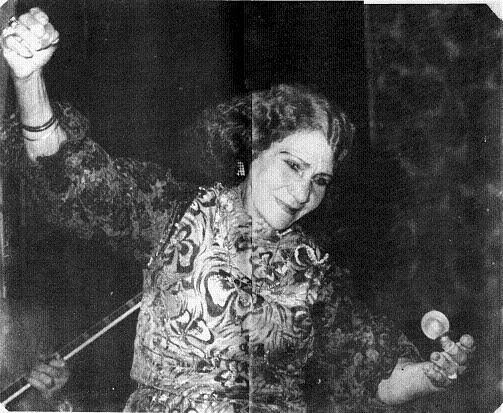
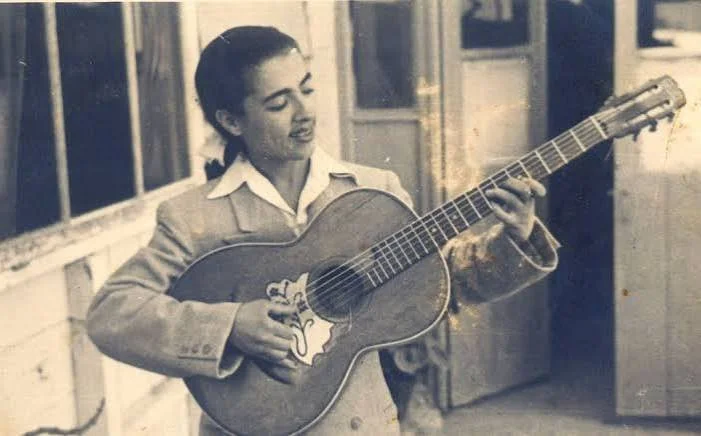
We are inspired like great women Rebetes like Roza Eskenazi and Sotiria Bellou who not only shared their incredible voices with us, but also fought against fascism with the Greek resistance. As a woman led group, we honor these ancestors by continuing this culture of art and resilience. The people of this subculture have always been the ‘outcasts’ and resistance to facism and nationalism.
Inherently, Cafe Aman defies borders and religious dogma, creating a space for many people to feel connection. Given the unprecidented time we currently find ourselves in, we feel it’s now more important than ever to bring back these kinds of community spaces to fortify ourselves, TOGETHER, as we are all children of immigrants and diaspora. We are here to continue to tell these stories of longing, loss, hope and love. We are here to create space to share in κέφι and ντέρτι with you.
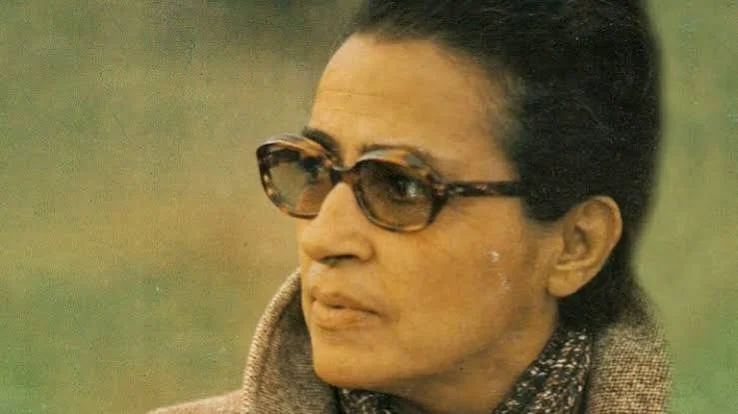
Our Team
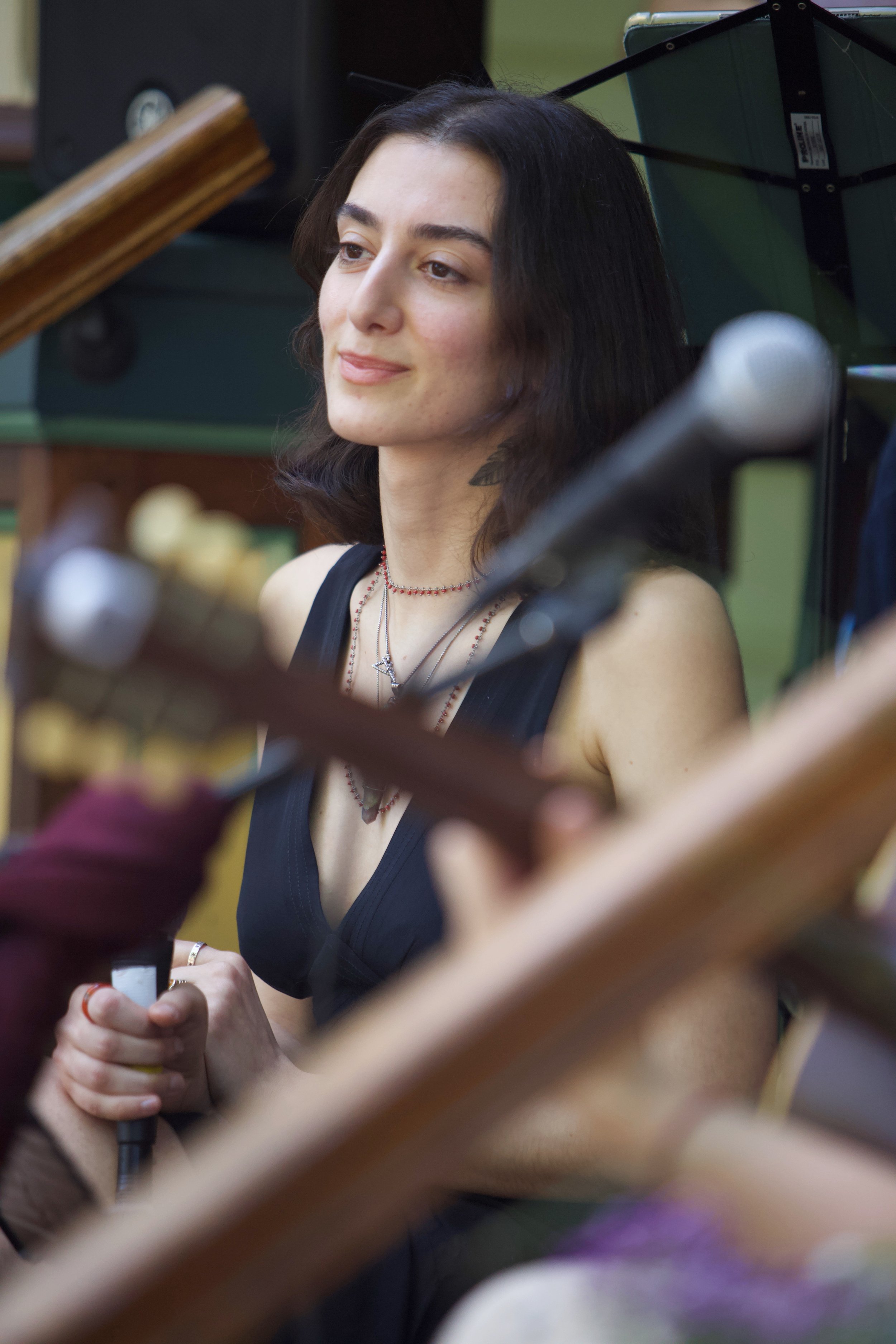
Rodini
As a driving creative force behind KELEPOÚRI, Rodini steered the foundational development of the group's signature sound. By leading with a clear artistic vision, she successfully unified the immense talent of the band members, shaping the musical direction that defines the ensemble today.
Rodini Shiamilis is a Cypriot American vocalist and violinist whose otherworldly voice brings depth and emotional resonance to the project. Raised in New York City, she studied theater at Fiorello H. LaGuardia High School of Music & Art and Performing Arts while training classically in violin from ages four to seventeen and maintaining a strong connection to her Cypriot heritage through summers spent in Cyprus. As a first-generation New Yorker, she draws on her cultural identity, theater background, and classical training to shape a deeply expressive vocal style. With a background in clinical social work, her artistic practice explores vulnerability, human connection, and the power of art to build community and cultural belonging.
Lead vocals, Violin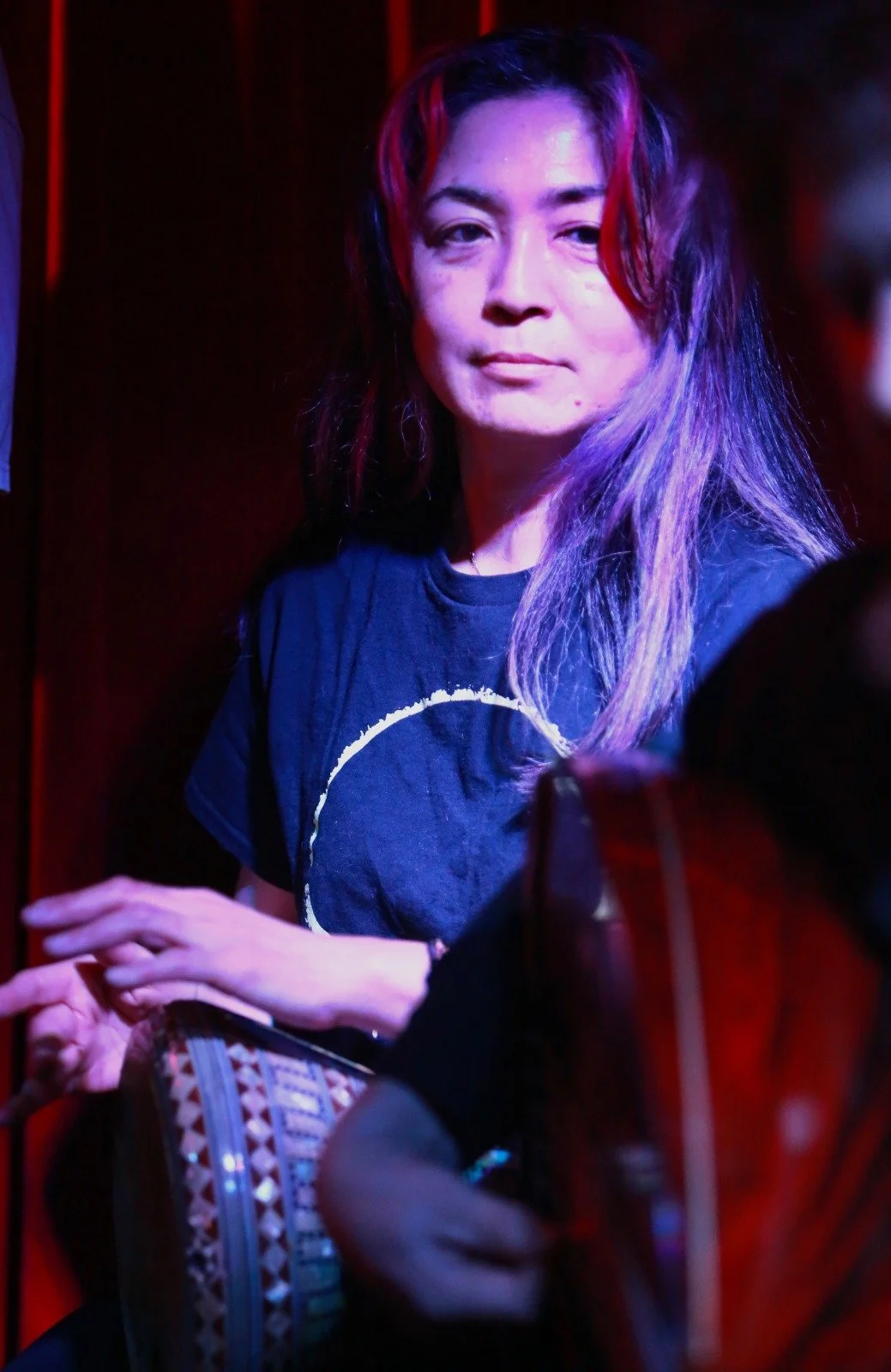
Kazuki
Kazuki has been a student of doumbek/darbuka for about 30 years under several notable teachers: Souhail Kaspar, Susu Pampanin, and Hossam Ramzy among them. She loves the nuanced balance between control and primal energy near-Eastern percussion brings out of her ADHD.
On top of Middle Eastern and Balkan percussion, Kazuki also studied Latin conga at Drummers Collective in New York City in order to deepen her sense of rhythms and to understand their complexity. She has been performing and teaching in the New York City area and beyond in various styles, from Rebetiko, Balkan folkloric, American Style Bellydance, off-Broadway shows, Shakespeare theater company, to Renaissance Faires.
Percussion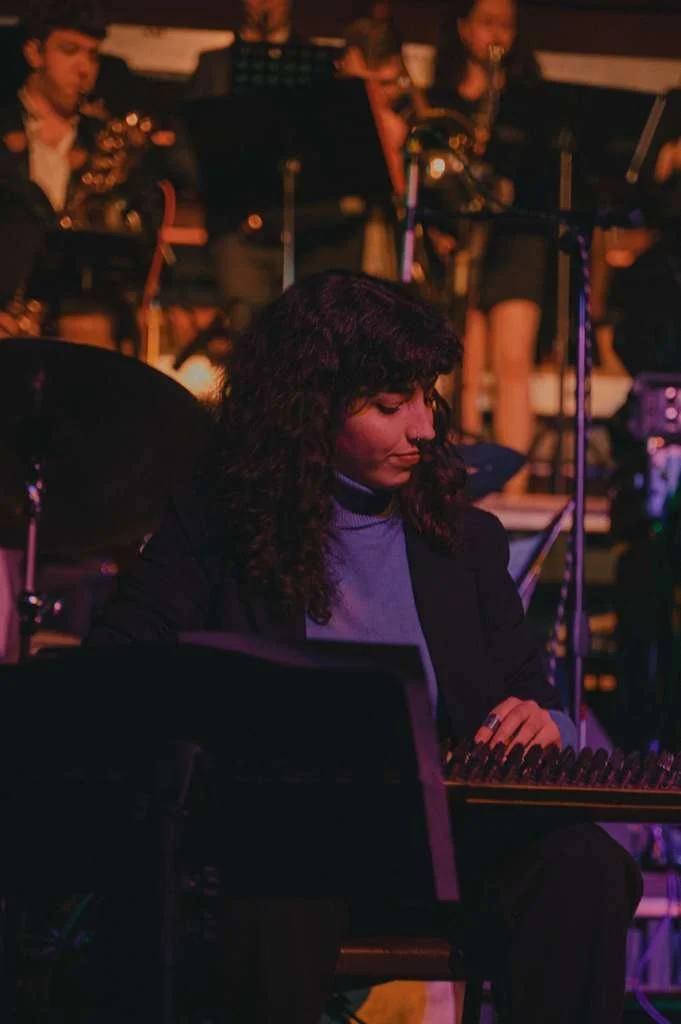
Kanun & VocalsMaria dellaporta
Maria Delaporta is a composer, singer, and qanun player from Athens, Greece, currently based in New York. A Berklee College of Music alumna with a degree in Contemporary Writing and Production, she has worked with renowned Greek artists such as Marina Satti, Antonis Apergis, and Vasilis Kostas. Her music draws from jazz, pop, classical, and Mediterranean influences, with a deep love for lush harmonies and melodies that carry emotional weight. As a composer, she is drawn to music that tells stories in parallel, blending her Greek roots with everything else that moves her.
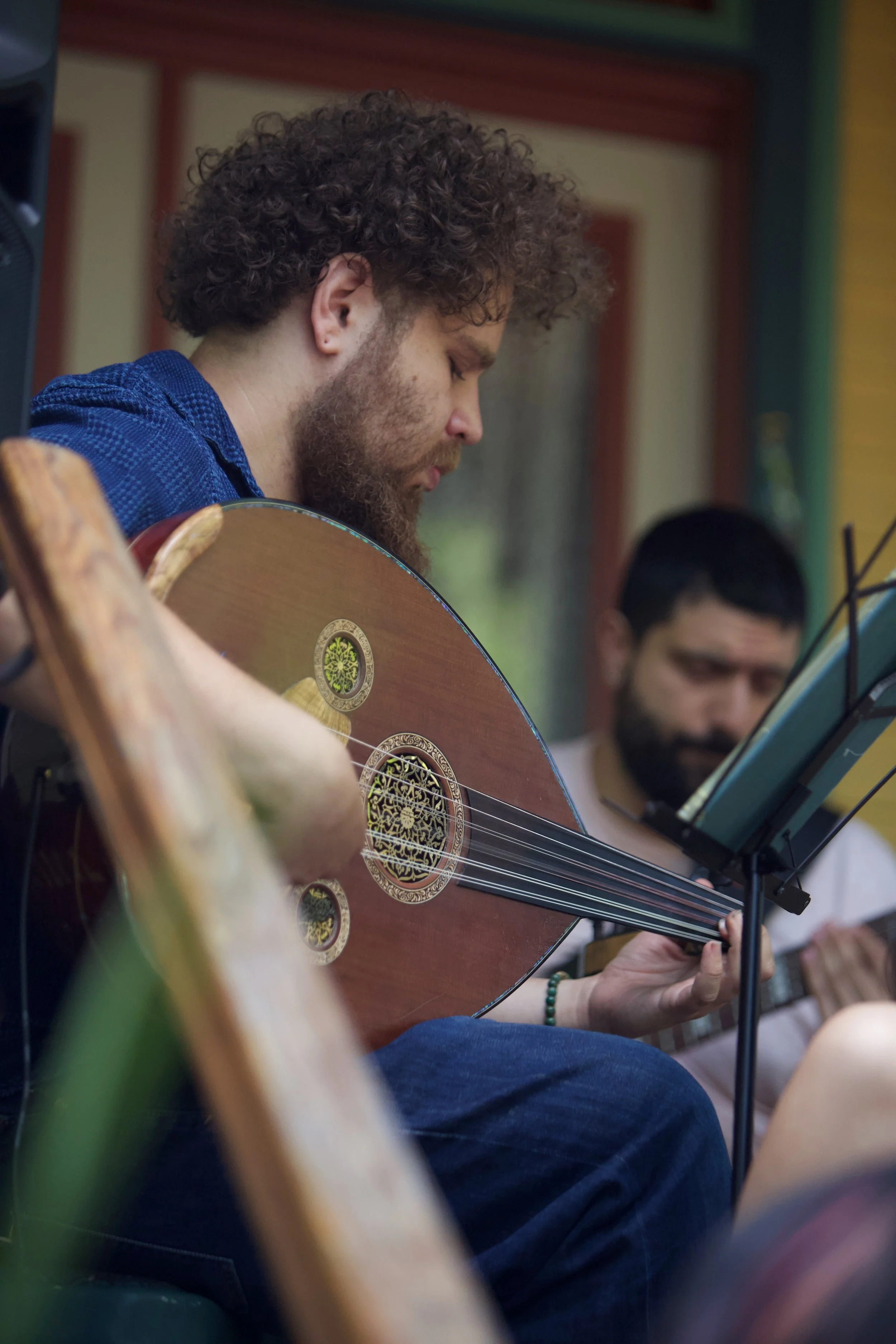
Ouddavid churowski
David Chorowski is a multi-instrumentalist Oud player and percussionist from New York specializing in folk and classical musics from The Middle East, Western Mediterranean, and Medieval Europe.
Our Team

Lily talmers
Lily Talmers is a musician and songwriter and member of the Greek diaspora. She graduated from the University of Michigan in 2020 with a degree in comparative literature, and wrote a thesis on gender in Rembetika music and culture. She leads ensembles surrounding her own compositions throughout New York City and has toured throughout the US and Europe. As a second generation Greek-American, her musical world is deeply informed both by American folk traditions and Greek ones. She is currently an MDiv candidate at Union Seminary.
Guitar & Vocals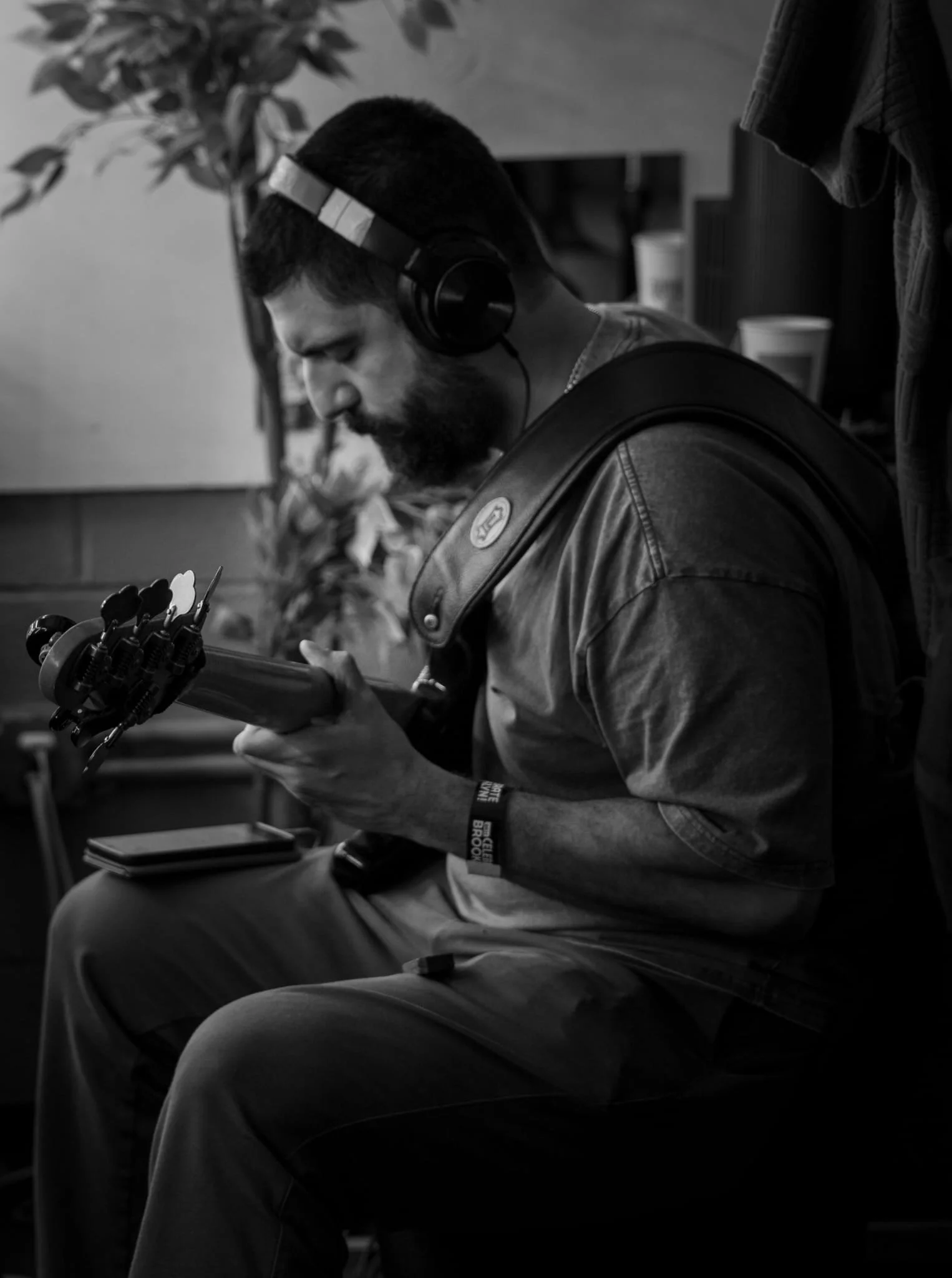
Erikos Vlesmas
Erikos is a New York–based electric and upright bass player. Born into a family of musicians on Long Island, he spent his early years exploring a variety of instruments before discovering his passion for the bass at age 14. By 16, he was already performing professionally.
He holds a BA in Music and Psychology from SUNY University at Buffalo and an MA in Music Education from Hunter College. Throughout his career, Erikos has worked and collaborated with a wide range of acclaimed artists, including Grammy Award–winning rapper Fyütch, Philly-based Haitian singer-songwriter Talie, and Cypriot and Greek artists such as Alkinoos Ioannidis, Vasilis Lekkas, and Manolis Androulidakis, among others.
Erikos is an active member of Sounds of Cyprus, Alpha Orchestra, Ta Pedia Tis Polis, and Songs of Solomon, the award‑winning Harlem-based young adult choir, with whom he has performed across the globe.
Bassist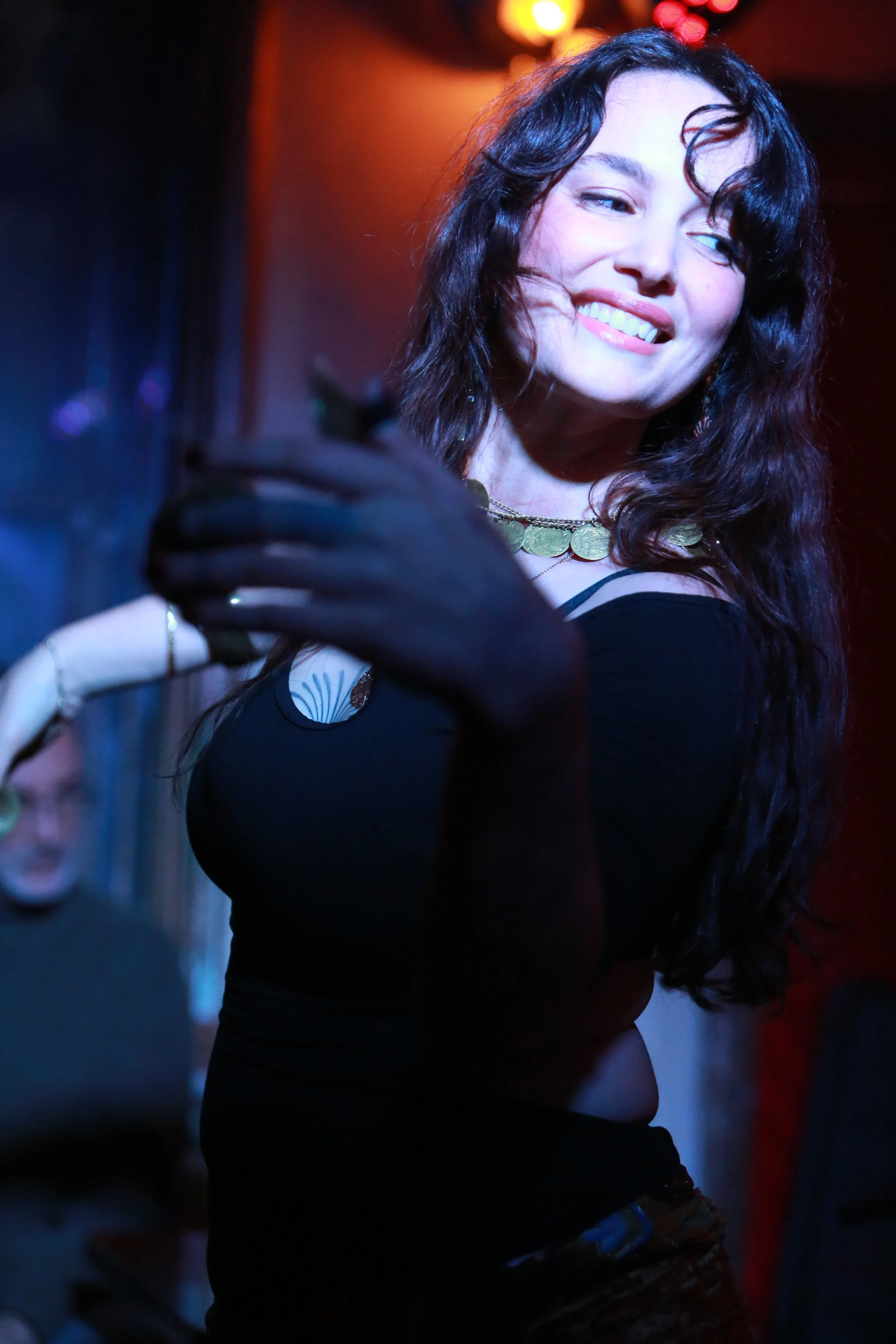
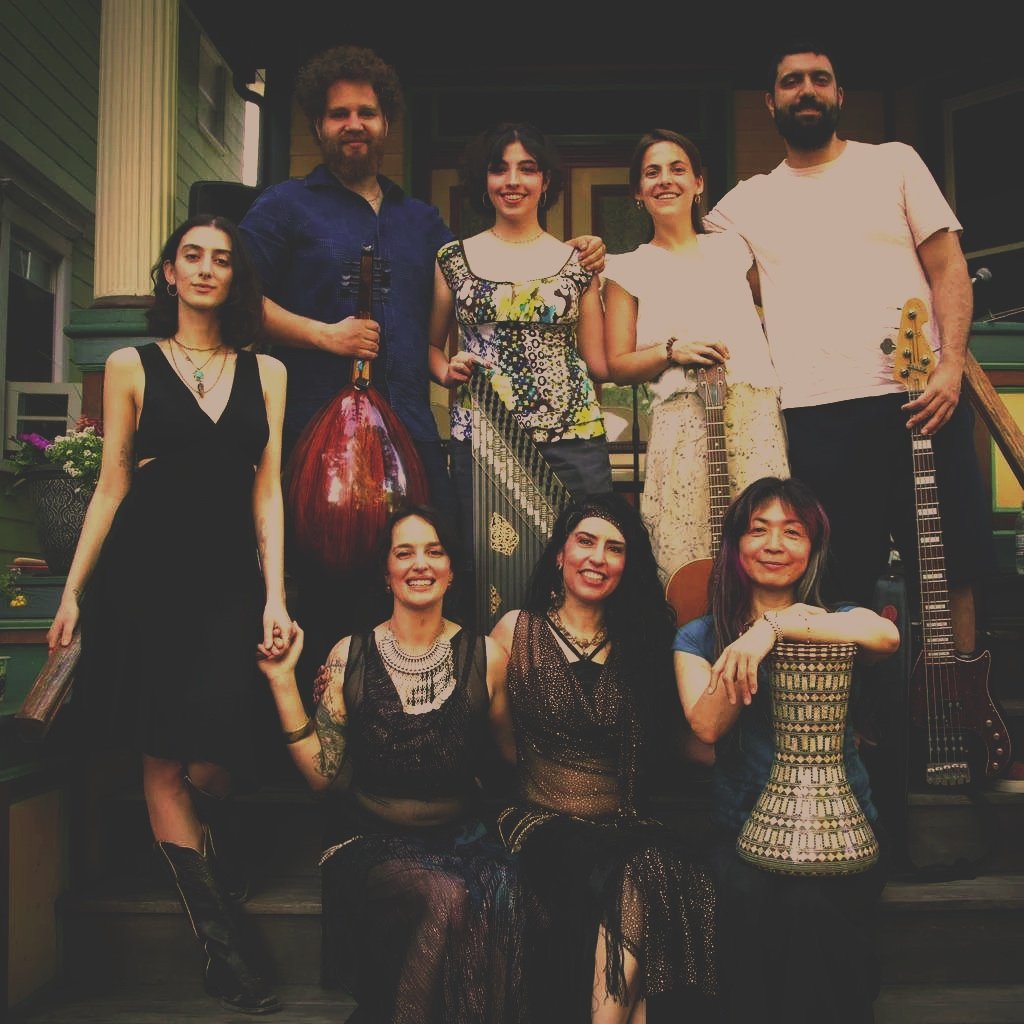
Dance & Finger CymbalsMyrto daskaloudi
Myrto Daskaloudi is a Greek-American dance artist and instructor focusing on Greek and Egyptian ‘belly dance’ styles. She was introduced to the art form at 16 by Bethiah Rosa and fell in love with the deep embodiment and beauty it expressed. Myrto is passionate about bringing Tsiftiteli to the belly dance world. She has studied with Athena Najat, Sophianna Apergis, Samira Masreya, Badia Staar, Despina Cartsos and many more.
Why Give?Make a Difference
Your donations support our ability to create more memorable shows and community events. We are aiming to expand our team with a booking manager to help us get organized and come to a city near you! Donations also support us in getting paid for our time rehearsing, traveling and creating costuming for gigs.
Why give?
-
✽
Make A Difference
Your donation helps create real, measurable change in the lives of those we serve.
-
✽
Support Cultural Preservation and Innovation
-
✽
Be Part of Our Growth
Cafe Aman Project has been growing into something so special, help us continue that by supporting monthly.